

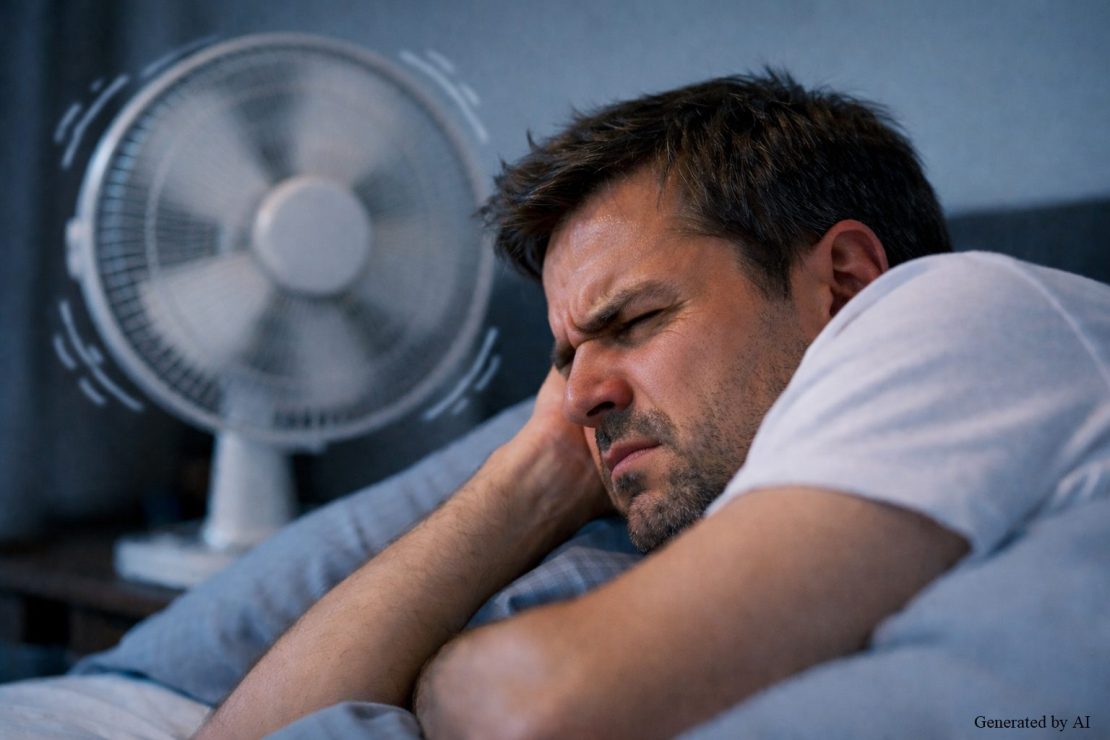
In manufacturing facilities and equipment operations, sudden abnormal noises from motors can lead to serious issues such as equipment shutdowns and product defects. These noises vary widely—including “squeaking,” “grinding,” and “hissing”—and each has a different cause. Sources range from mechanical factors like bearing wear, insufficient lubrication, and debris ingress to electrical noise.
In this article, we will explain the main causes of motor noise by type and introduce specific countermeasures. Furthermore, for engineers considering the purchase of new motors, we will provide a detailed explanation of the characteristics of coreless motors—which help prevent noise issues before they occur—as well as their advantages in terms of low vibration and low noise.
| Supervised by: C.I. TAKIRON Corporation Electronic Devices Sales Group This article has been supervised based on the advanced technical expertise and insights we have cultivated since our founding in 1919 as a leading company in plastic processing. Our department continuously analyzes market trends and the latest technologies in ultra-compact, high-precision micro motors, focusing on providing high-value-added information to designers and developers. As a team of experts with in-depth knowledge of product characteristics, we support our customers’ problem-solving and technological innovation by delivering accurate and practical content. |
Main Causes and Mechanisms of Motor Noise
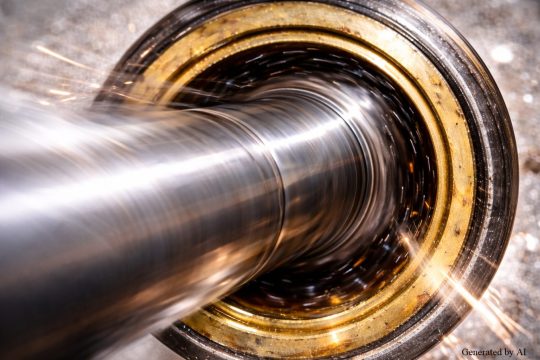
There are three main causes of abnormal motor noise.
Topics covered in this section
- Bearing issues are the most common
- Noise caused by electrical interference
- Noises caused by mechanical friction and vibration
These factors can act individually or in combination to produce various types of abnormal noises. By accurately identifying the cause, you can take appropriate corrective measures.
Bearing Issues Are the Most Common
Bearing issues are a frequent cause of abnormal noises in motors. Bearings play a crucial role in supporting rotating parts in the correct position. Abnormal noises and vibrations can occur due to improper bearing assembly or installation, insufficient or excessive lubricant, wear on the metal balls, or the ingress of debris.
If bearing problems are left unaddressed, they can ultimately lead to motor burnout. Prevent problems before they occur through regular inspections and grease replenishment.
Abnormal Noises Caused by Electrical Noise
In DC motors, sparks generated by friction between the brushes and the commutator may be audible as electrical noise. As brush wear progresses, the sparks during commutation become larger, and the noise increases. The following measures are effective.
[Countermeasures for Electrical Noise]
- Regular replacement of brushes
- Commutator maintenance and dressing
- Adjusting brush pressure
Unlike mechanical noise, electrical noise manifests as high-frequency interference, so it is important to be able to distinguish between the two.
Abnormal Noises Caused by Mechanical Friction and Vibration
Wear on the shaft, housing, or brackets can destabilize the bearings, causing abnormal vibrations and noises. Additionally, contact between the rotor and stator, friction between components, and resonance-induced humming are also causes of mechanical noise.
Since abnormal noises caused by mechanical factors are also influenced by the overall precision and installation condition of the equipment, a comprehensive inspection is necessary that includes not only the motor itself but also the surrounding components.
List of Noise Types, Causes, and Countermeasures*
*This information applies to general motors and does not specifically pertain to our company’s motors.

The cause of abnormal noises generated by a motor can be estimated based on the characteristics of the sound.
Contents Explained in This Section
- High-pitched noises: “Squeaking, whining”
- Heavy noises such as “rumbling” or “grinding”
- Intermittent noises: “hissing”
Early detection and prompt action can prevent serious failures before they occur. Below, we explain typical noise patterns commonly encountered in the field and the corresponding countermeasures.
High-pitched noises: “Squeaking” and “Shrieking”
These noises are characterized by a grinding sound between metal parts or a high-pitched sound. The main causes and countermeasures are summarized in the table below.
| Cause | Countermeasures |
| Seizing between the roller bearing and flange surface | Prevent excessive loading |
| Insufficient internal clearance | Check the precision of the shaft and bearing |
| Contaminant Ingress | Reinforcing Seals |
High-pitched noises indicate metal-to-metal contact inside the bearing. If left unaddressed, component damage will progress rapidly, so take immediate action as soon as you detect it.
Heavy, rumbling or grinding noises
This noise sounds like a rumbling in large bearings and a grinding in small bearings. The main causes are scratches on the raceway surfaces or on the balls and rollers, as well as deformation caused by debris. Countermeasures include preventing debris ingress, preventing excessive loads, and checking for vibration.
Since this noise indicates damage to internal components, quantitative diagnosis using a vibration meter is also effective.
Intermittent “hissing” noise
This is a noise that occurs intermittently in a regular pattern. Possible causes include contact within the labyrinth section, contact between the retainer and the seal, or roughness on the raceway surface.
[Points to Note for Small Bearings]
- Roughness of the raceway surface
- Deterioration of ball or roller surfaces
Intermittent noises often occur in sync with the rotation cycle; checking for changes in the noise by varying the rotational speed can help identify the cause.
Coreless Motors That Prevent Noise Problems Before They Occur

To reduce the risk of abnormal noise issues in motors, it is effective to select motors with low-vibration and low-noise characteristics from the design stage.
Contents of this section
- Why Coreless Motors Can Suppress Noise
- High Reliability in the Medical and Precision Equipment Sectors
- Customization Options for the Optimal Motor
C.I. Takiron’s coreless motors feature a structure without an iron core, eliminating cogging (stuttering during rotation) and enabling smooth, quiet operation. They are a strong option for reducing the risk of abnormal noise.
Why Coreless Motors Reduce Noise
Because coreless motors lack an iron core in the rotor, there is no repeated attraction and repulsion with the magnets. The following table compares them with conventional motors.
| Item | Conventional motor (with iron core) | Core-less motor (without iron core) |
| Cogging | Occurs | Does not occur |
| Smoothness of rotation | Uneven rotation | Extremely smooth |
| Vibration level | Relatively high | Extremely low |
| Bearing load | High | Low |
Since there is no cogging, smooth and quiet rotation is achieved, and no mechanical jamming occurs. This makes it easier to control fluctuations in bearing load, which also helps reduce the risk of abnormal noise over the long term.
High Reliability in the Medical and Precision Equipment Sectors
C.I. Takiron’s coreless motors are widely adopted in medical devices where patient safety is the top priority, as well as in optical equipment that requires high precision. Specific application examples are as follows.
[Proven Applications]
- Endoscope drive mechanisms
- Medical pumps
- Camera shutter actuators
- Precision measuring instruments
In applications where even the slightest vibration or noise is unacceptable, our motors are highly regarded for their cogging-free and low-vibration characteristics. Through domestic design and a rigorous quality control system, we provide highly reliable motors.
Custom Solutions for the Optimal Motor
At C.I. Takiron, we offer custom designs tailored to your specific applications and operating environments. Even if your desired specifications are not yet clear, we provide support from the development stage, working through sample provision and evaluation feedback to deliver the optimal product. We offer comprehensive support, ranging from technical consultations—including solutions for noise reduction—to small-lot prototyping and mass production.
If you are experiencing issues with motor noise, please feel free to contact us. Our technical staff will discuss your application and requirements with you and propose the optimal solution.
Summary
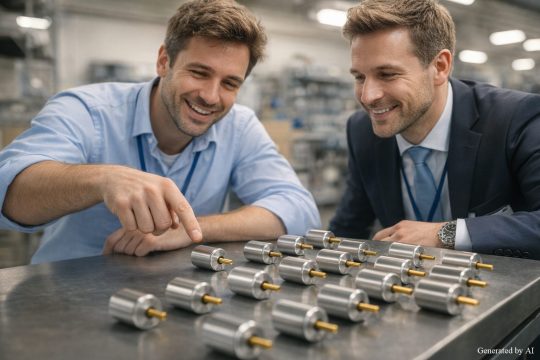
Motor noise is primarily caused by bearing wear, insufficient lubrication, or the ingress of debris, and the underlying mechanism varies depending on the type of noise. When purchasing new motors, selecting low-vibration, low-noise models is an effective way to reduce the risk of noise-related issues.
C.I. Takiron’s coreless motors achieve smooth, cogging-free rotation and boast high reliability in the medical and precision equipment sectors. If you are facing issues with noise or motor selection, please consult our expert staff.
Product Information & Inquiries
For more details on C.I. Takiron’s micro motor products, please visit the website below.
- Product Site: https://cik-ele.com/en/
- Coreless Motors: https://cik-ele.com/en/products/list/coreless_motor/
- Brushless Motors: https://cik-ele.com/en/products/list/brushless_motor/
- Geared Motors: https://cik-ele.com/en/products/list/gearhead/
- Encoders: https://cik-ele.com/en/products/list/encoder/
If you are having trouble selecting a small motor for your product development, please feel free to contact us via the inquiry form. Our technical staff will discuss your application and requirements with you and propose the optimal solution.
- Inquiries: https://cik-ele.com/en/contact/