

In today’s world, where products are required to be both compact and high-performance, small motors are widely used in a variety of fields, including medical devices, industrial equipment, and optical instruments. However, with so many types of small motors available, each with different characteristics, selecting the optimal motor is no easy task.
In this article, we will clarify the definitions and classifications of small motors and present application examples by use case. Furthermore, we will explain the specifications to check during selection and the benefits of adoption, providing engineers with practical knowledge to find the small motor best suited to their company’s requirements.
| Supervised by: C.I. TAKIRON Corporation Electronic Devices Sales Group This article has been supervised based on the advanced technical expertise and insights we have cultivated since our founding in 1919 as a leading company in plastic processing. Our department continuously analyzes market trends and the latest technologies in ultra-compact, high-precision micro motors, focusing on providing high-value-added information to designers and developers. As a team of experts with in-depth knowledge of product characteristics, we support our customers’ problem-solving and technological innovation by delivering accurate and practical content. |
目次:
Definition and Main Types of Small Motors
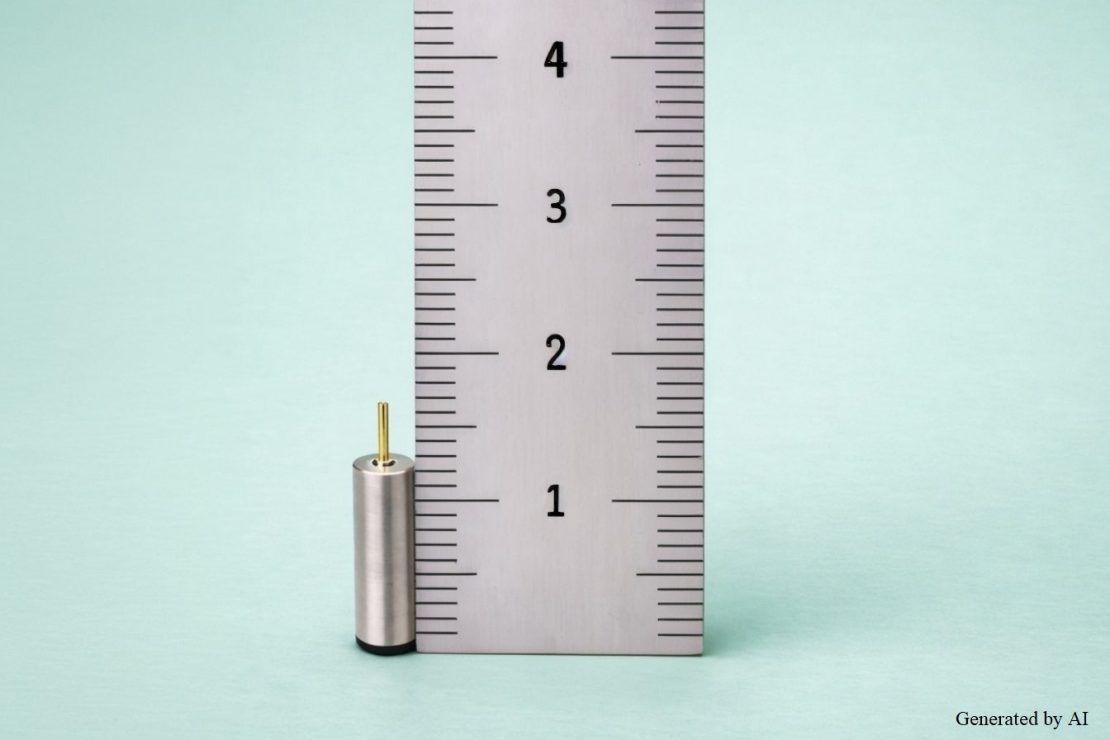
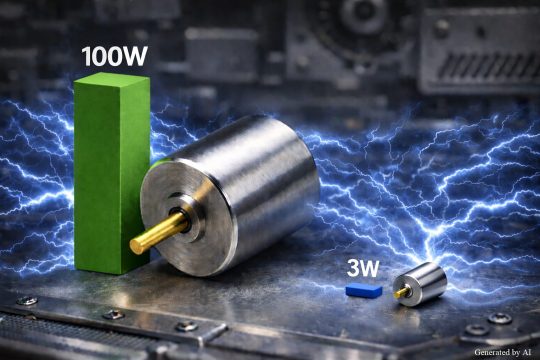
Small motors generally refer to those with an output of 100W or less, and those with an output of 3W or less are called micro motors (ultra-small motors). Power sources are classified as direct current (DC) and alternating current (AC), and their structures vary widely, including brushed, brushless, coreless, and stepper types.
This chapter covers the basic definition of small motors and the main classifications and types that engineers should be familiar with.
Contents of This Section
- Definition of Small Motors and Classification by Output
- Classification by Power Source: DC Motors and AC Motors
- Major Types by Structure: Coreless, Brushless, and Stepper
By understanding each classification criterion, you can efficiently narrow down the list of motors suitable for your products.
Definition and Classification of Small Motors by Output
Small motors refer to motors with an output of 100W or less. Some definitions set the limit at 75W or less, and standards vary slightly depending on the industry and literature. Motors with an output of 3W or less are specifically called micro motors and can be powered by a single dry cell battery.
In recent years, thanks to technological advancements, products capable of high output exceeding 100W in compact sizes, as well as ultra-small motors with diameters of 4mm or less, have emerged. Therefore, it is necessary to define “small” not only by output values but also by physical dimensions such as outer diameter and length.
Classification by Power Source: DC Motors and AC Motors
Motors are classified into direct current (DC) motors and alternating current (AC) motors based on the type of power source. DC motors tend to be more commonly used in small motors. This is because they can operate at low voltages, are well-suited for battery-powered devices, and possess characteristics suitable for precise speed control.
DC motors are further divided into brushed and brushless types. Brushed types have a simple structure and are easy to control, but their service life is limited by brush wear. Brushless types have a long service life and require less frequent maintenance because they do not have brushes.
Major Types by Structure: Coreless, Brushless, and Stepper
Even among DC motors, characteristics vary significantly depending on their structure. The features of the three main types are summarized in the table below.
| Type | Structural Features | Main Advantages | Examples of Applications |
| Coreless Motor | Winding structure without an iron core | Cogging-free, smooth rotation High responsiveness | Medical devices Optical equipment Precision control |
| Brushless DC Motor | Brushless and commutator-free design | Long service life Low noise High efficiency | Industrial Equipment Security equipment |
| Stepper motor | Structure for angle control via pulse signals | High positioning accuracy Open-loop control is possible | Positioning device Printers |
Since coreless motors lack an iron core, they generate virtually no cogging torque (rotational irregularities), enabling smooth rotation and high-speed response. Brushless DC motors have no brush wear and offer a long service life. Stepper motors excel in positioning accuracy and allow for precise angle control even without feedback control.
Examples of Small Motor Applications by Field
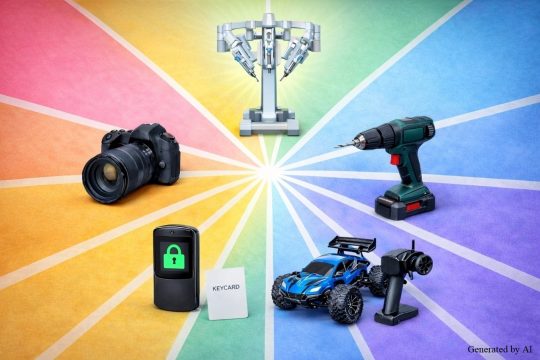
Small motors are used in many fields, including medical equipment, industrial equipment, optical equipment, security equipment, and hobby products. The performance requirements vary by field.
In the medical field, high reliability and smooth, cogging-free operation are key requirements; in the optical field, fast response and low vibration are essential; and in the security field, low-voltage startup and long service life are primary requirements. This chapter explains application-specific use cases and technical requirements with concrete examples.
Contents of This Section
- Applications in the Medical Device Field: Environments Requiring High Precision and Reliability
- Applications in the Optical Equipment Sector: High-Speed Response and Low Vibration Are Key
- Applications in the industrial equipment and tools sector: Achieving compactness, light weight, and high efficiency
- Applications in the Security Equipment Sector: Low-Voltage Startup and Long Service Life
- Applications in Hobby and Consumer Products: Enhanced Performance and Durability
Through specific examples from each sector, we will explore the technical characteristics required of small motors.
Applications in the Medical Equipment Sector: Environments Demanding High Precision and Reliability
In medical devices, patient safety is the top priority, and motors must offer high reliability and precise control. Coreless motors are used in the following medical devices.
[Major Applications]
- Endoscopes (bending control of the tip)
- Surgical robots (precise motion control)
- Hemodialysis machines (blood pump drive)
- Infusion pumps (controlled delivery of medication)
- Insulin pumps (micro-dose control)
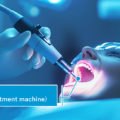
- Dental root canal treatment equipment (rotary drive for root canal instruments)
Coreless motors achieve smooth, cogging-free rotation, meeting the demands of medical settings that require minimal vibration and consistent rotational performance. Additionally, their high responsiveness enables rapid start-up and stop, making them suitable for emergency situations. When developing medical devices, it is essential to consider the motor’s quality control system and long-term supply stability as selection criteria.
Applications in the Optical Equipment Field: High-Speed Response and Low Vibration Are Key
Driving camera lenses requires high-speed and precise positioning. Coreless motors generate virtually no cogging torque, effectively suppressing micro-vibrations during lens operation. By eliminating rotational irregularities that cause image blur and focus misalignment, they enable high-quality imaging.
Primary applications include autofocus mechanisms, image stabilization mechanisms, and aperture adjustment mechanisms. Coreless motors have low inertia, enabling rapid start-up, stopping, and reversal, making them well-suited for subject tracking.
Applications in Industrial Equipment and Tools: Achieving Compactness, Lightweight Design, and High Efficiency
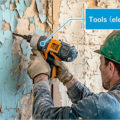
Industrial power tools and handheld devices require motors that deliver high torque despite their compact size. Since coreless motors lack an iron core, they can be miniaturized, helping to reduce the burden on operators.
| Required Characteristics | Core-less Motor Capabilities | Benefits for Products |
| Compact Design | Compact design enabled by a coreless structure | Contribution to Product Miniaturization |
| Energy Savings | Reduced current consumption through high-efficiency operation | Extended Battery Life |
| Low vibration | Stable rotation with cogging-free operation | Improved operational accuracy |
| Durability | Impact-resistant construction | Designed for Harsh Job Site Conditions |
In battery-powered electric tools, reducing power consumption directly extends battery life. Core-less motors operate efficiently, enabling longer use on a single charge. Additionally, reduced vibration improves work stability, leading to higher product quality.
Applications in the Security Equipment Sector: Low-Voltage Start-up and Long Service Life
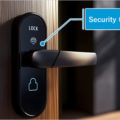
In battery-powered security devices such as electronic locks and smart locks, power efficiency and long service life are of the utmost importance. To ensure long-term operation with limited battery capacity, a motor that starts reliably even at low voltages is essential.
Some micromotors can start at extremely low voltages—as low as 1.0V—maintaining stable operation even when battery levels are low. By combining low-voltage operation with a long service life, the following benefits are achieved.
[Benefits of Adoption in Security Devices]
- Reduced battery replacement frequency (improved user convenience)
- Ensured durability against frequent locking and unlocking operations
- Long-term stable operation due to low current consumption
- Easy integration into door locks due to compact design
Since security equipment is used in applications where failure is not tolerated, the reliability of the motor and the quality control system are decisive factors in the adoption decision.
Applications in Hobby and Consumer Products: Enhanced Performance and Durability
In radio-controlled vehicles, electric bicycle units, and beauty appliances, high-performance, long-life motors are required to differentiate products. Since the quality of the motor—a core component—determines the evaluation of the entire product, selection must be approached with care.
By adopting compact, low-vibration, long-life coreless motors, it is possible to develop products that deliver high user satisfaction. In RC servo motors, minimal micro-vibration directly leads to improved control accuracy, while in beauty appliances, low-vibration characteristics enhance quiet operation.
Key Selection Criteria and Benefits of Compact Motors
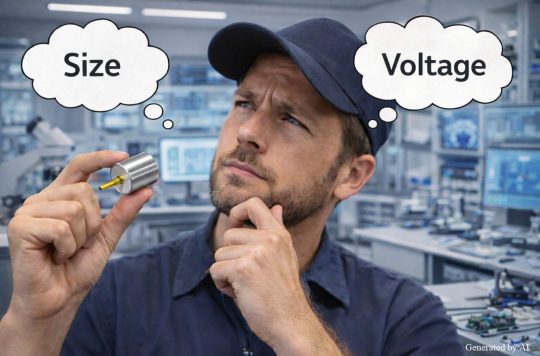
To select the optimal small motor, it is essential not only to verify specifications such as size, torque, speed, and voltage but also to assess the characteristics required for the specific operating environment and application.
This chapter outlines the key specifications to consider when selecting a motor, as well as the benefits of using small motors—including coreless motors—such as product miniaturization, weight reduction, energy savings, reduced vibration and noise, and extended service life.
Contents of This Section
- Key Specifications to Check When Selecting a Motor
- Five Benefits of Adopting Coreless Motors
- The Value of Collaborating with Manufacturers from the Development Stage
By following an appropriate selection process, you can simultaneously enhance product competitiveness and reduce development risks.
Key Specifications to Check When Selecting a Motor
When selecting a motor, it is essential to thoroughly verify that the specifications meet your product requirements. The key verification points are as follows.
| Checklist | Details | Points to Note During Selection |
| Size (Diameter/Length) | Dimensions that fit within the mounting space | Consider installation methods and potential interference with surrounding components |
| Voltage (Rated voltage) | Voltage compatible with the drive power supply | If low-voltage startup is required, also verify the minimum startup voltage |
| Torque (Starting/Rated) | Rotational force required to drive the load | Selection must allow for a safety margin |
| Speed (No-load / Rated) | Rotational speed suitable for the application | Also consider combination with reduction gears |
| Operating Environment | Temperature, humidity, explosion-proof requirements, etc. | Special specifications may be required for specific environments |
| Options | With gearhead, With encoder | Consider for applications requiring position control or speed reduction |
By clarifying these requirements in advance, you can efficiently narrow down the list of optimal motor candidates. Regarding the operating environment in particular, it is necessary to thoroughly understand the product’s operating conditions, such as temperature range, shock resistance, and dust- and water-resistant performance.
Five Benefits of Adopting Coreless Motors
Adopting coreless motors offers the following five benefits in product development.
[5 Benefits of Coreless Motors]
- Smooth rotation and low vibration due to cogging-free operation
- Quick start-up, stop, and reversal thanks to high-speed responsiveness
- Increased design flexibility due to compact size
- Energy savings and extended battery life due to low power consumption
- Enhanced reliability and reduced maintenance frequency due to long service life
These features directly contribute to enhanced product competitiveness. The cogging-free characteristics are effective in medical and optical equipment. High-speed responsiveness is suitable for cameras and industrial equipment, while compact designs increase design flexibility.
The Value of Collaborating with Manufacturers from the Development Stage
To select the optimal motor, it is effective to engage in technical consultations with the manufacturer from the early stages of development. Even when requirements are not yet finalized, sharing the intended application and operating environment allows you to receive proposals for the best solutions.
Collaboration with manufacturers offers a wide range of benefits. First, it expands the possibilities beyond catalog products to include customization tailored to specific applications. Another advantage is the ability to reduce adoption risks through hands-on evaluation using sample units.
Summary
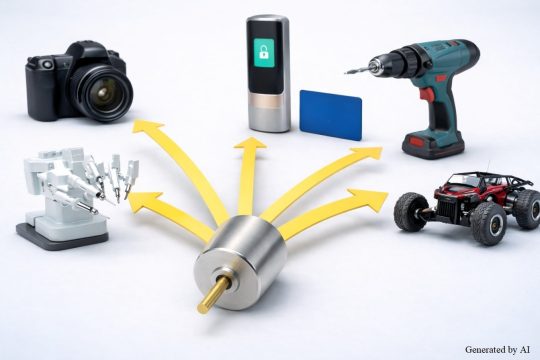
Small motors refer to those with an output of 100W or less and are utilized in a wide range of fields, including medical, industrial, optical, security, and hobby applications. The required characteristics vary by application; in the medical field, cogging-free operation and high precision are key requirements, while in the optical field, fast response and low vibration are essential, and in the security field, low-voltage startup and long service life are primary requirements.
When selecting a motor, in addition to verifying specifications, it is effective to collaborate with the manufacturer from the development stage and conduct sample evaluations. Adopting coreless motors enables the miniaturization, high performance, energy efficiency, and extended lifespan of products. If you have any concerns regarding product development, please contact a specialized manufacturer.
Product Information & Inquiries
For more details on C.I. Takiron’s micro motor products, please visit the website below.
- Product Site: https://cik-ele.com/en/
- Coreless Motors: https://cik-ele.com/en/products/list/coreless_motor/
- Brushless Motors: https://cik-ele.com/en/products/list/brushless_motor/
- Geared Motors: https://cik-ele.com/en/products/list/gearhead/
- Encoders: https://cik-ele.com/en/products/list/encoder/
If you are having trouble selecting a small motor for your product development, please feel free to contact us via the inquiry form. Our technical staff will discuss your application and requirements with you and propose the optimal solution.
- Inquiries: https://cik-ele.com/en/contact/